At a glance. Topics: cost segregation, bonus depreciation, look-back studies, Section 179D, the R&D tax credit. Audiences: real estate investor groups, brokerages, business associations, and CPA and tax professional organizations. Formats: keynotes, breakouts, lunch-and-learns, half-day trainings, webinars, and podcast interviews. In person anywhere in the United States, or virtual. Every topic and length can be tailored to your audience.
Recent rooms include the Georgia Society of CPAs Real Estate Conference, the American Association of Oral and Maxillofacial Surgeons, the NorCal Real Estate Mastermind, and the Wealthy Investors Conference. See the full list.
Booking: david@davidhwiener.com, 770-224-8504 x2, or a 30-minute call. Download the speaker one-sheet (PDF, one page).
See me in action
A two-minute look at a live talk and a few podcast interviews. This is the pace and plain language your audience gets.
Who I speak to
Four audiences, and the depth changes for each one.
With real estate investor groups I work in deal-level numbers. What a study does to the first year of ownership, and when it is not worth doing at all. Brokerages get something their agents can use with clients to show the after-tax picture of a purchase. Business associations hear about the strategies their members are most likely leaving on the table, explained in plain language.
CPA and tax professional organizations get the technical layer. What qualifies, what documentation survives an exam, and where this work fits next to what they already do for clients.
Signature sessions
These five sessions are starting points, not the full menu. Every title, topic, and length can be changed to fit your audience, your host, and your program, and any session can run shorter or longer to fit your schedule. Tell me who will be in the seats and I will shape the session around them. The titles and objectives below are ready to paste into a program or a call for presenters.
Your Building Is Depreciating Too Slowly
For real estate investor groups and owners of commercial or rental property.
What an engineering-based cost segregation study does to the first years of owning a property, and the situations where it is not worth doing. Real numbers, the rules that change the answer, and the questions to bring to your own tax professional.
Attendees will be able to:
- Identify the properties and holding periods where a study is likely to pay for itself, and the ones where it will not
- Explain how an engineering-based study moves building components into 5, 7, and 15 year property, and how 100 percent bonus depreciation applies to property acquired after January 19, 2025
- Recognize how the passive activity rules and depreciation recapture affect whether faster deductions actually help
The Depreciation You Already Missed
For investor groups and CPA organizations.
Owners who bought property years ago without a study can generally catch up the depreciation they missed in the current year, through a change in accounting method filed on Form 3115 rather than by amending old returns. How the catch-up works, when it is worth doing, and what has to be documented.
Attendees will be able to:
- Explain how a look-back study and Form 3115 bring missed depreciation into the current year
- Identify the facts that decide whether a catch-up is worth the cost of a study
- Describe the documentation an engineering-based study provides to support the change
What Changed in Cost Segregation, 179D, and the R&D Credit, and Which Clients to Ask About It
For CPA societies, chapters, and tax professional groups.
A technical update on three incentives that moved under Public Law 119-21: permanent 100 percent bonus depreciation, the end of Section 179D for buildings whose construction begins after June 30, 2026, and the expensing of domestic research costs under Section 174A. Built around client fact patterns, the documentation that holds up in an exam, and where engineering-based studies fit next to the work you already do.
Attendees will be able to:
- Apply the current bonus depreciation and 179D rules to client fact patterns, including projects that began construction before the 179D deadline
- Identify clients likely to qualify for the R&D credit, and explain how Section 174A changes the timing of domestic research costs
- Evaluate the documentation that makes a cost segregation, 179D, or R&D position defensible
If your organization sponsors CPE, I provide the learning objectives, a recommended field of study, and a timed outline for your review.
The R&D Credit Is Not Just for Labs
For business associations, chambers, and industry groups.
Machine shops, software teams, contractors, and food producers can qualify for the federal R&D credit without ever calling what they do research. What the four-part test actually asks, which records matter, and what changed for deducting research costs.
Attendees will be able to:
- Describe the four-part test in plain terms
- Recognize everyday work in their own business that may qualify
- Know what records to keep and what to ask their tax professional
The After-Tax Picture: Depreciation Basics Every Agent Should Know
For brokerage sales meetings and agent trainings. Works well as a lunch-and-learn.
Investor clients decide on after-tax numbers, and most agents never see them. A plain-language tour of depreciation and cost segregation so agents can spot the clients who should be talking to a tax professional, without giving tax advice themselves.
Attendees will be able to:
- Explain depreciation and cost segregation to an investor client in plain terms
- Spot purchases where a study is worth raising
- Hand the tax conversation to the right professional without crossing into advice
Beyond these five
I also speak on bonus depreciation, real estate professional status and material participation, short-term rental depreciation, and depreciation recapture. If your group needs a different tax strategy topic, ask, and I will tell you plainly whether I am the right speaker for it.
Past speaking engagements
Rooms I have spoken to, grouped by audience.
Tax and accounting professionals
- Georgia Society of CPAs (GSCPA) Real Estate Conference, multiple dates
- CSSI (Cost Segregation Services, Inc.) Annual Meeting, Fort Lauderdale, Florida, 2025
Real estate investor groups
- Greater Las Vegas Real Estate Investors Association, Las Vegas, Nevada, 2025
- San Gabriel Valley Real Estate Investors Group, Monterey Park, California, 2025
- Coastal Wealth Investment Summit, Myrtle Beach, South Carolina, 2025
- NorCal Real Estate Mastermind, Sacramento, California, 2023 and 2024
- San Diego Real Estate Mastermind, San Diego, California, 2024
- Wealthy Investors Conference, Las Vegas, Nevada, 2023
Real estate brokerages
- Huntington & Ellis, A Real Estate Agency, Las Vegas, Nevada, multiple years
- Urban Nest Real Estate Brokerage, Las Vegas, Nevada, 2023
Professional associations
- American Association of Oral and Maxillofacial Surgeons, multiple locations and years
- Georgia Dental Association, St. Simons Island, Georgia, 2024
- Florida Dental Association, Orlando, Florida
Plus many podcasts and webinars, a few of which are listed below.
Podcast guest appearances
I host The Tax Strategy Playbook, and I guest on other shows in real estate, business, and tax. I bring plain-language explanations of strategies most listeners have never had explained properly, with numbers they can follow by ear. I can go deep for a technical audience or keep it accessible for a general one, and I show up prepared, on time, and easy to edit. Tell me who listens and I will send three episode angles built for them.
Past guest spots include:
- Flipping America, episode 555: Cost Segregation (September 2022)
- Investor Fuel's Real Estate Pros Show: how cost segregation can cut an investor's tax bill (July 2025)
- Sterling Insights Podcast with Charles Trakas
- The Growth Shift Podcast
To hear how I sound before you book, watch any episode of The Tax Strategy Playbook on YouTube.
For organizers and hosts
Everything below is yours to copy into a program, a show page, or an introduction.
Speaker one-sheet
Download the one-page speaker one-sheet (PDF) with sessions, bio, recent stages, and booking details.
Short bio
David Wiener is the host of The Tax Strategy Playbook podcast and CEO of Cash Flow Strategies, Inc. He helps real estate investors, business owners, and their tax professionals use cost segregation, Section 179D, and the R&D tax credit, with studies delivered nationwide through CSSI (Cost Segregation Services, Inc.).
Full bio
David Wiener is the host of The Tax Strategy Playbook podcast and CEO of Cash Flow Strategies, Inc. Since 2016 he has worked with CSSI (Cost Segregation Services, Inc.) on engineering-based cost segregation studies, and today he helps real estate investors, business owners, and their tax professionals use three incentives Congress wrote on purpose: cost segregation, the Section 179D deduction, and the R&D tax credit. He speaks nationally to real estate investor groups, brokerages, business associations, and CPA organizations, and he serves on the National Small Business Association Leadership Council. His father, a CPA, gave him the line that frames his work: tax evasion is a crime, but tax avoidance is mandatory. Audiences remember him for telling them plainly when a strategy will not pay for itself.
Headshot
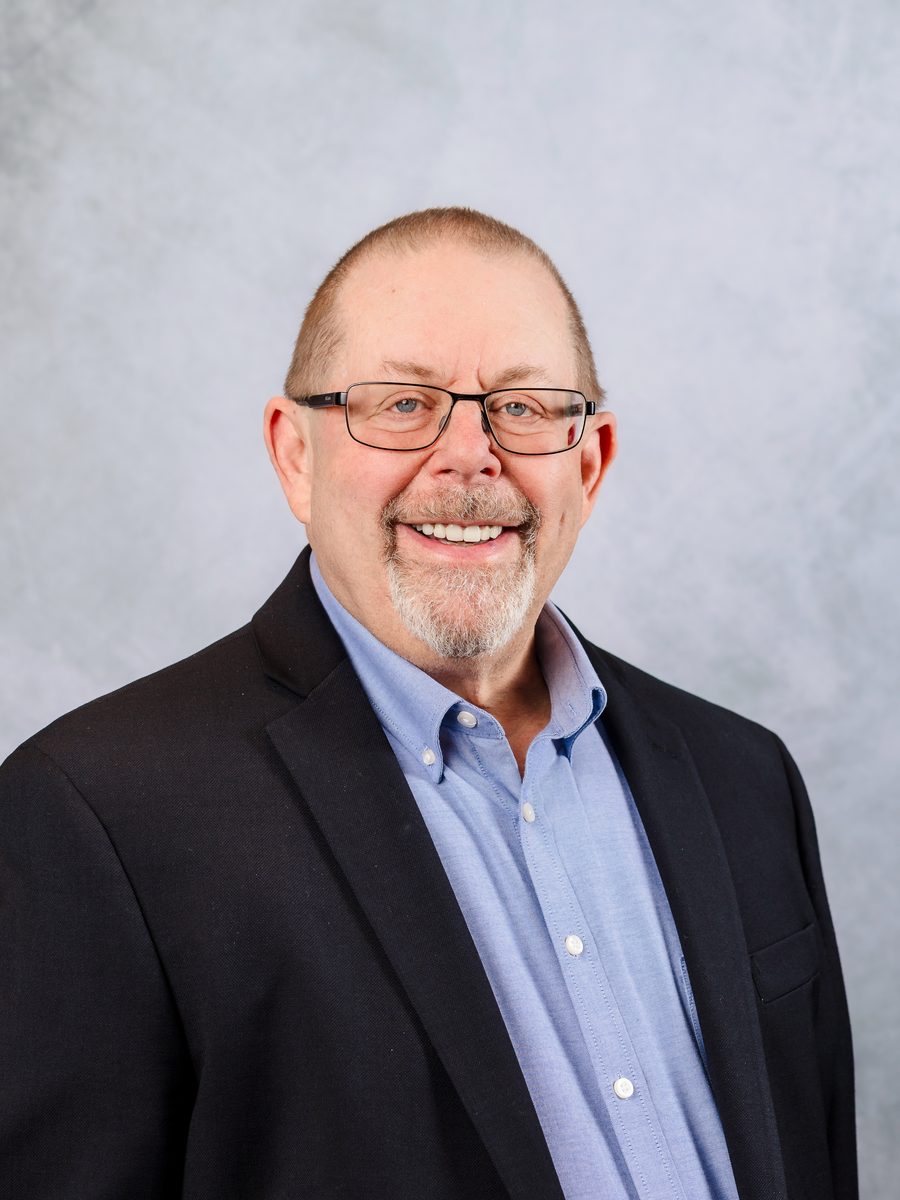
Download the high-resolution headshot (JPG, 900 by 1200).
Logistics
Virtual sessions run on Zoom or your platform. In-person sessions can be anywhere in the United States. Slides work on any projector or screen share, and every session includes Q&A, because the questions are usually where the money is. Travel and logistics are settled on the first call.
Booking
Email david@davidhwiener.com, call 770-224-8504 x2, grab a time on Calendly, or send the details through the contact form. Tell me the date, the audience, and the format, and you will get a clear yes or no quickly.
Put this on your stage or your show
One conversation to scope the audience, the format, and the date. If I am not the right fit for your room, I will say so and, where I can, point you to someone who is.